A mare called Willow educated me more concerning safety than any type of handbook on injury treatment. She would certainly not permit individuals to hurry her shoulder with a halter. If a new participant strolled in with limited shoulders and a held breath, Willow would turn her nose somewhat away, plant her feet, and wait. Some days, that standoff ended with a hand conditioning on the lead rope, a longer exhale, and a tiny step together. Other days, the most effective step was to rest silently in the barn aisle and pay attention to her consume. Not one word talked, yet the message landed: we address the pace of trust.
That is the heart of equine-facilitated health. Equines organize their world through connection and clear signals. For individuals who lug trauma, this way of being can really feel international at first, after that deeply regulating. The barn ends up being a room where bodies tell the truth, where selection matters, and where calm spreads via herd, human, and steed alike.
Why horses belong in trauma-informed care
Trauma shuffles understanding of safety. Loud noises, abrupt touch, crowded rooms, even pleasantries can spin the nervous system right into protection. A great trauma-informed strategy acknowledges that physiology drives actions, after that develops from there. Equines speak to physiology without requiring words. They measure intent via posture, eye get in touch with, breath, and micro-movements. When we enter their globe, we can not fake tranquility. We learn to feel it, and we get quick responses when we wander away from it.
This is not magic, and it does not change therapy. Equine-assisted services fit alongside counseling, occupational therapy, and healthcare. They consist of equine-assisted activities that construct abilities and confidence, therapeutic horsemanship for those who want to discover with the structure of riding or foundation guideline, and equine-facilitated coaching for individual or expert growth. In a trauma-informed framework, the work is less about managing a horse and more regarding noticing how the equine responds and why, after that changing with curiosity.
Physiology sustains the promise. In practice, I see heart rates drop 5 to 15 beats per min within ten mins of silent pet grooming, and breath patterns change from brief to stable when a participant matches the horse's rhythm. Some programs use wearable sensors to reveal adjustments in heart price variability as sessions unravel. Also when we do not measure information in the minute, individuals report resting much better after barn days, or feeling the urge to examine a phone less usually, or capturing a panic rise earlier. These tiny adjustments build capacity.
The circle of trust in action
Trauma-informed treatment hinges on principles that translate well to the barn. We attempt to make them visible, from the method we open up entrances to the means we close sessions.
- Safety, both physical and emotional. Clear limits, predictable regimens, correctly fitted headgears and boots, horses selected for character. The atmosphere informs the body it can downshift. Choice. Participants choose whether to touch, bridegroom, lead, or merely observe. The right to opt out is not a hiccup. It is the intervention. Collaboration. Goals are co-created. The horse is a partner, not a prop. All voices matter, including the steed's signals. Empowerment. We highlight staminas, commemorate little wins, and deal abilities that transfer to day-to-day live, like stopping briefly before acting or requesting space. Cultural humbleness. We honor various partnerships to animals and land, and we adjust language and rituals to fit each person's background.
When these worths hold, alter tends to stick. Individuals can not process new skills if they are supporting for the next demand. In the barn, the job is frequently straightforward, like selecting unguis or leading with posts, however the finding out runs deep. The circle of trust fund is much less a method and more an atmosphere that emerges from regular, type boundaries.
What a session looks like
Every program has its rhythm, yet a couple of contours repeat. The first touchpoint is arrival. A person greets you in the car park or at the barn door and orients you to the area. The air gives off hay. We mention where to clean hands, where safety helmets live, what fences indicate, and exactly how quick we move steeds. These concrete supports matter. Predictability lowers threat.
Next, we check in. Just how is your body doing right now, using words or numbers or images. If speaking is hard, we watch for clips of breath, scanning eyes, quick steps. We call options: pet grooming, strolling a steed in hand, setting a puzzle with posts and cones, or viewing silently from a bench. In teams, we ask what really feels supportive today. If a participant has sensory sensitivities, we could decrease the lights in the brushing bay, provide a softer brush, change the volume of barn speakers, or pick a broad paddock as opposed to a narrow aisle.
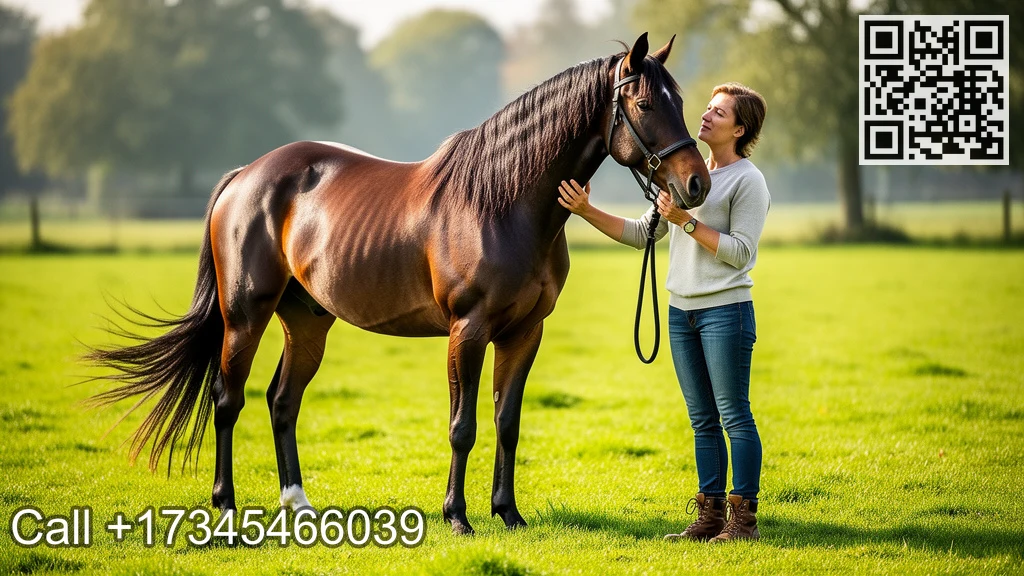
Work begins with the ground usually. Foundation welcomes an upright back, clear feet, and soft hands. For someone with a trauma background, this is exposure treatment in a kind container. Standing near a thousand-pound animal while remaining existing takes courage and focus. We slow-moving time down. We notice the equine's ear flick toward a bird, the shift of weight from forehand to hind, the method a lead rope really feels in one hand versus 2. A train might ask, What did Willow do right prior to she relocated away. The individual may recognize they leaned in too far or looked right at her eye. We test a different technique, then assess again.
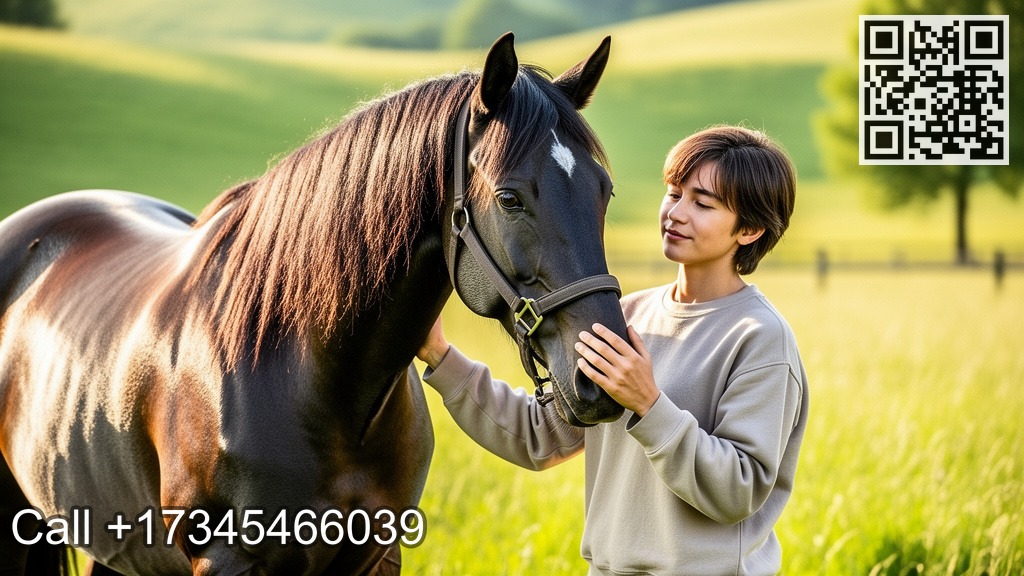
Riding can be therapeutic, yet we do not rush to it. Installed work includes layers of feeling and requires a lot more split focus. It can be perfect for stress and anxiety support with horses when someone currently has a standard of trust on the ground. The persuade of an equine at the stroll usually relaxes a racing mind. For those with ADHD equine finding out assistance needs, the structure of riding patterns develops a focused channel for power. Transitions at letters, breathing with rhythm, half-halts that time with exhale - these build executive feature without a lecture.
We close sessions with integration. That might appear like jotting three notes in a journal, sharing one moment of pleased initiative, or exercising a breath cue gained from the steed's walk. We set up following actions, not as a sales pitch, however as a way to recognize continuity.
Somatic knowing that sticks
Talk has limitations when the body is on high alert. Somatic healing with horses makes use of sensation and activity as the access factor. Your hand learns what soft get in touch with feels like, after that your muscular tissues remember how to find it again. The horse gives feedback that words can not: a lick and eat after you exhale, a head tilt when you shift weight, a loosened up when you widen your position. Those signs teach interoception. In time, people lug that awareness into various other settings, like noticing a jaw clench during a hard conference or loosening up shoulders prior to a hard call.
One expert explained it by doing this, After a month, I captured myself stopping briefly at a traffic light to breathe the way I do before asking Fight it out to back one step. It sounds small, however it indicated I had a means to alleviate without white-knuckling with it.
For youngsters and grownups on the spectrum, an autism equine learning program can make sensory input more predictable and significant. The rhythm of brushing strokes, the sound of hooves on crushed rock, the feeling of a steed's warm shoulder under a hand - these inputs are steady and nonverbal, and they arrive in a setting with clear borders. Alternative therapy for sensory difficulties does not indicate deserting evidence-based assistances. It means using the barn as a laboratory where law comes first, and where new abilities progress from interest as opposed to pressure.
Coaching, not commanding
Equine-assisted mentoring and equine-facilitated mentoring bring leadership and communication motifs to the herd. The steed does not respect your job title. They respect clearness and congruence. If you request a forward action while bracing your feet, they receive a mixed signal. Numerous groups take advantage of this tidy mirror. Group structure with equines strips away buzzwords and surfaces the real routines that aid or hinder a team. A team that tends to talk over quiet participants could locate that a distressed gelding clears up only when the soft-spoken intern holds the lead. That moment often activates a valuable discussion about exactly how power and voice traveling at work.
In specific mentoring, we frequently deal with boundary-setting and confidence. The horse will certainly not step into your area unless you allow it, and if they do, you have an opportunity to set a limitation without rage. A participant may practice raising a hand to produce a bubble, after that progression to insurance claim room with breath. The carryover to personal life is concrete. People tell me they requested for a due date expansion, or claimed no to a late-night message exchange, or stood straighter during a presentation.
Therapeutic horsemanship with a trauma lens
Therapeutic horsemanship educates steed care and riding skills while keeping wellness in sight. It is not treatment by license, yet it can sustain restorative goals. A trauma lens alters a few details. We spend more time in method and retreat, less in continuous tasking. We use plain language to request consent: Are you up for attempting a trot today, or would you rather stroll and practice figure-eights. We stop if a startle bursts via, naming it without embarassment. We use placed work to refine body recognition, not to go after ribbons. If we show, it is because the routine and responses really feel helpful, not since stress might motivate.
For stress and anxiety support with equines, therapeutic horsemanship provides dependable supports. The barn timetable operates on time. Tack has a place. Steeds need care by the clock. Predictability plus responsibility drops anxiousness for lots of people. It also builds a healthy and balanced sense of mattering. When a teenager that doubts their worth shows up to feed and groom, the equine notifications and reacts. That bond, honest and free of judgment, is a balm.
Who advantages, and exactly how to tell
Horses assist a vast array of people. The ones that gain most tend to share a couple of qualities: they are willing to try experiential learning with equines, they prefer responses to lectures, and they are open to observing their body. Diagnoses do not figure out fit on their own. I have seen strong gains for people with PTSD, complicated grief, social anxiety, ADHD, and autism. One kid with ADHD learned to count strides in between poles and discovered that numbers really felt simpler when he might move. He moved from restless and frustrated to immersed and happy in a solitary lesson, after that carried that rhythm right into math at institution. A moms and dad of a teen with sensory sensitivities informed me the barn was the top place where her daughter picked to leave her noise-canceling headphones at her side, just due to the fact that she chose to listen to the horses breathe.
There are restrictions. People with active psychosis, neglected compound withdrawal, or severe aggression might require stablizing before working about pets. Those with substantial wheelchair challenges can still take part in equine-assisted tasks, yet the configuration has to be customized, in some cases with flexible tack or a ramp and side-walkers. Allergic reactions, anxiety of huge animals, and extreme climate likewise affect planning.
Safety and the steed's welfare
Safety starts with the horse. A program equine requires a steady personality, excellent training, and time off. They require a herd life, turnout, and enrichment that values their varieties demands, not just their task summary. Look for feed high quality, hoof treatment, and veterinarian attention. A bored or worn equine can not https://ameblo.jp/felixwdko483/entry-12970704292.html offer the tranquility that humans seek.
For people, security consists of headgears for mounted work, strong closed-toe footwear, clear field guidelines, and skilled team that recognize both horses and humans. Extent of method matters. If a session might surface trauma material, a licensed psychological wellness specialist ought to belong to the group or on call. If objectives consist of balance, series of movement, or sensory combination, a job-related or physical therapist might co-lead. In all settings, consent is continuous. If an individual claims quit, we stop. If an equine pins ears or swishes tail hard, we listen.
Measuring progress without killing the magic
Data maintains programs truthful. It additionally aids participants see change. The method is to determine in such a way that does not pull individuals out of their body. I like short, repeated check-ins: a 0 to 10 calm-activation range before and after, a yes-no on sleep top quality, a regular note regarding a skill made use of in the house. For some, a heart rate monitor adds a concrete anchor. In a tiny pilot with 6 adults over eight weeks, our group averaged a 7 to 12 percent rise in heart price variability throughout sessions. It is not a randomized trial, but it associate what we really feel in the barn.
For youngsters and teenagers, teachers and moms and dads can track class emphasis, morning regimens, or crisis duration throughout a term. Several programs see less institution lacks and much better transitions on barn days. Share these numbers with care. They should inform, not pressure.
Group job that gains trust
Group sessions can enhance finding out when succeeded. The herd social regulations spill right into human synergy. I begin with activities that build nonverbal coordination. For example, three individuals relocate a steed with a low challenge program without speaking, making use of pose and breath instead. Debrief centers on what functioned, what really felt sticky, and what everyone discovered in their body. Gradually, we add voice, then selection, after that mild stress factors, like a new pattern. Group structure with steeds is not concerning speed. It has to do with coherence.
Groups that consist of trauma survivors call for additional treatment with discretion and triggers. We established standards explicitly. We avoid shock obstacles, and we create opt-in stations where participants can pick degree of involvement. In family sessions, I frequently see repair work take place via shared care as opposed to tough talks. A moms and dad and teen that argue in your home can collaborate in silence to groom a sloppy equine, then make fun of the very same snort. That shared success comes to be a reference factor for later.
Trade-offs and truthful edges
It would certainly be very easy to overpromise. Equines are not a treatment. Development is commonly indirect. Some days, the win is identifying a limitation and leaving early prior to bewilder spikes. Weather can cancel plans, and odor or structure sensitivities can flare. Not every barn has the exact same standards, and provider training varies by area. Some sessions set you back more than typical therapy, and insurance policy protection is patchy. These are real barriers.
I have actually likewise seen individuals press to riding before their system prepares, utilizing rate or novelty to bypass difficult sensations. That pattern burns out equines and human beings. A trauma-informed program slows down that rush. Groundwork is not an alleviation prize. It is an innovative method that lots of sophisticated riders return to for clarity.
How to choose a program that fits
Finding the appropriate company issues as much as the method. Titles vary, from PATH Intl. Certified trainers to accredited therapists who partner with equine professionals. Qualifications aid, but fit appears in the feeling of the location and the means personnel discuss horses and people. These inquiries can guide your search:
- How do you specify and exercise trauma-informed treatment, and can you provide instances from your sessions What training do team keep in both human solutions and horsemanship, and exactly how do you handle extent of practice How do you safeguard horse welfare, consisting of work, yield, and retired life plans What does a first session appear like, and just how do you center participant choice and consent How will certainly we gauge development that matters to me without shedding the experiential nature of the work
Take time to check out prior to registering. View a lesson. Notification the horses' expressions and the staff's tone. Ask where you can rest if you need a break. If a program stress you to do more than you desire, maintain looking.
Small stories, genuine change
A few vignettes stay with me. A survivor of domestic violence, hands drinking, asked if she could simply rest near a pony called Pippin. She viewed him for thirty minutes, then whispered, He is not worried of his cravings. The following week, she asked to groom his neck. Months later on, she reported that she currently consumed morning meal most days and really felt less ashamed of wanting things.
A nine-year-old with an autism medical diagnosis spent 3 sessions lining up brushes by shade, after that stunned everyone by taking a lead rope and strolling next to a draft cross called Sam. He dropped in front of a cone and sought out, waiting. When Sam did stagnate, the kid advance, took a breath, and they walked together. His mother cried. At college, the boy's educator noticed he began waiting at entrances for others to pass rather than bolting with, a quiet resemble of that pause and proceed.
A corporate group got here limited and hesitant. During a silent leading workout, the supervisor maintained tugging at the rope. The equine iced up. The trainee moved to his side, exhaled, and opened her hand. The gelding followed her. The supervisor chuckled and claimed, I think I just saw my e-mails in action. They entrusted to a plan to shorten conferences and include even more pauses.
None of these minutes allow headlines. They are consistent blocks. Pile enough of them, and individuals build a life with even more space to breathe.
Getting started, one breath at a time
If you are curious, begin with a check out. Smell the hay. See the horses blink in the sunlight. Attempt one session and assess your body's reaction that night and the following day. Pair this work with treatment if you have a history of trauma, and inform your provider about triggers and limits so the team can form a secure plan.
Equine-assisted services bring a rare mix of immediacy and meekness. Steeds do not inform your story back to you. They meet you where you stand, then ask silent, clear concerns. Can you feel your feet. Can you reduce your breath. Can you lead with intention. Because circle of count on, many individuals discover what safety seems like from the within out, then bring it home.