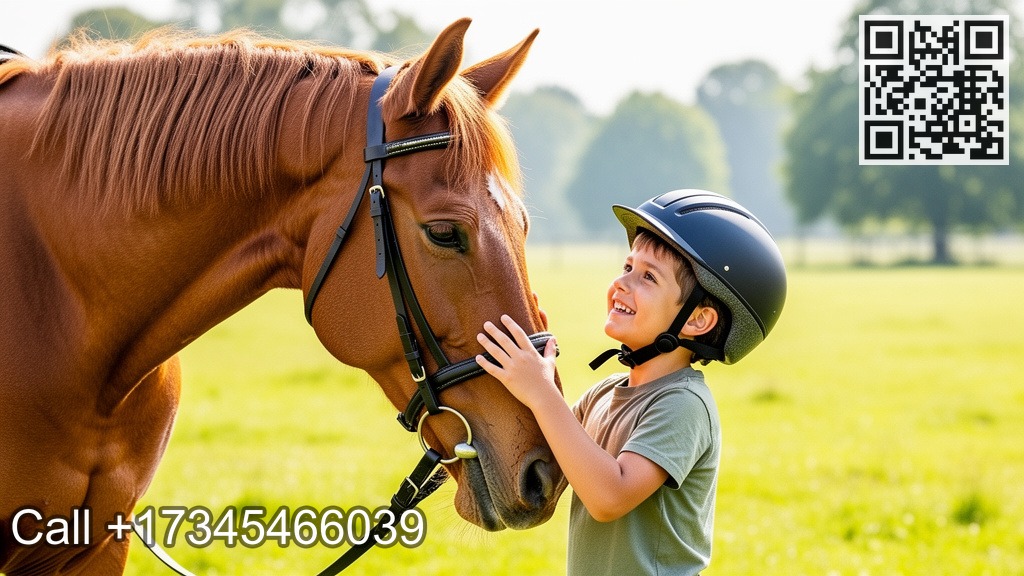
The very first time I viewed a ten year old with ADHD ask a horse to back three actions, the whole arena changed. He had actually been jumping because the minute his boots hit the crushed rock, words toppling out faster than his mind could corral them. After that he exhaled, squared his shoulders, slid his by far the lead rope, and asked. The horse blinked, rocked her weight, and stepped back. Three clean actions. Silence dropped in a good way, the kind where focus tightens and a kid recognizes, I did that. We did that. If you have dealt with children or adults that live with ADHD, you understand just how uncommon and precious that type of quiet capability can feel.
Therapeutic horsemanship and the broader family members of equine-assisted solutions do not cure ADHD. They do something less fancy and better. They develop a setting where the nervous system can settle, where emphasis borrows the rhythm of unguis, and where success is secured in the body as opposed to a list. The knowing sticks because it is really felt, not just educated. When an equine moves when you take a breath, that lesson resides in the muscular tissues and the midbrain, not just the prefrontal cortex that commonly tires before completion of a college day.
Why horses fit ADHD brains
ADHD is not a lack of interest. It is a rate of interest based nervous system that prioritizes uniqueness, definition, and seriousness. The friction shows up when jobs feel flat or consequences are remote. Horses, being victim pets, supply prompt and truthful responses. They review stance, breath, and objective the way we reviewed text, and they mirror it back without judgment or sarcasm. You slouch with spread energy, they hesitate or drift. You align your feet, focus your eyes, and soften your jaw, and they connect. That loop provides the ADHD mind what it likes best, real time response.
There is additionally the gift of rhythm. Gait patterns lug foreseeable sensory input. At a stroll, each action provides a gentle three dimensional motion with the motorcyclist's hips and back. For numerous customers, particularly those that look for stress and anxiety assistance with horses, that repeated sway organizes the body in a manner that calms thought spirals. On the ground, leading a horse via posts or cones provides a comparable cadence. The job has a clear start and end, and the steed's mass needs present minute interest. A half ton pet will certainly keep you honest concerning where your feet go.
Finally, equines invite somatic recognition. Prior to a change or a turn, we instruct bikers to check jaw, shoulders, breath, and tummy. That scan ends up being a mobile ability. Moms and dads inform me they hear their youngsters whispering barn signs prior to math examinations or going to bed. Equine-facilitated wellness programs do not require jargon to be efficient. The body is the classroom.
Groundwork before saddles
People frequently wish to jump directly to riding. The saddle has its magic, however ADHD equine learning support generally begins with foundation. Early sessions frequently appear like a strolling reflection disguised as a barn task. We comb a horse with lengthy strokes that adhere to the coat, we select hooves with purposeful care, and we lead in patterns that string together quick victories. These jobs train sequencing without the weight of a worksheet. They likewise prime the steed human relationship.
I go for sessions that relocate every 10 to fifteen minutes. For a 8 year old that flares when asked to sit still, this could suggest 3 sectors: grooming with a goal, a challenge pattern on a lead, then mounted walking with guiding video games. For a teen, we might invest the entire hour on the ground improving a liberty circle since that is where the spark lives that day. ADHD flourishes when function meets activity. Equine-assisted tasks offer both.
When focus cracks, the horse provides a mirror. If a customer jerks the rope while glancing at a bird, the horse will certainly typically increase its head or walk past the stop. Rather than scold, I can indicate the steed. See just how he lost you when you averted. Attempt again, eyes on the cone. That immediate biofeedback turns correction right into curiosity.
The science that describes the smile
We do not require to bewilder what is occurring. The vestibular and proprioceptive systems, the ones that inform us where we remain in area, obtain a constant stream of input throughout both installed and unmounted work. For lots of with sensory obstacles, this is not just pleasurable, it is regulatory. The deep stress of pet grooming, the reciprocal coordination of leading on the right and after that the left, and the linear activity of the walk all feed systems that typically run either also warm or also chilly. Call it different treatment for sensory obstacles if you like, however what it really provides is a lab where law can be experimented a partner who cares if you are tuned in.
On the cognitive side, we construct executive function by requesting for planning and sequencing in bite sized, embodied methods. For instance, established a 5 post follower on the ground. The customer selects a course, names the steps out loud, and then leads or trips the course. If we miss out on a pole, we reset the sequence and attempt again. There is no worksheet to shed, and the benefit is visceral, a tidy arc without any clatter.
This is where experiential learning with equines shines. It is not a lecture about impulse control, it is an online presentation. You take a breath too quick into a stop, the steed leakages ahead. You reset and discover a slower exhale, the horse stops square. We secure the lesson with words only after the body has tasted success.
Clear functions, clean language
Families often ask me to describe the hodgepodge: restorative horsemanship, equine-assisted training, equine-facilitated coaching, equine-assisted services. Here is the plain version. Therapeutic horsemanship usually means flexible riding and horsemanship shown by teachers with specialized training, typically through organizations like PATH Intl. These sessions target useful goals like balance, control, interest, and interaction. Equine-assisted mentoring sits in the personal growth camp, even more regarding routines, leadership, and frame of mind than medical treatment. Equine-facilitated wellness is a broader umbrella that can consist of psychological wellness deal with licensed specialists, along with body based techniques like breathwork, sensory assimilation, and mindfulness. All share one presumption, the steed is a companion, not a prop.
If a client is working through a details diagnosis like ADHD or autism, I team up with their existing group. For an autism equine learning program, we might line up with ABA or job-related therapy goals. For ADHD, we may track on job intervals or shifts in between recommended and non preferred tasks. The label is less important than the quality of the plan.
A day at the barn, min by minute
Most focus managed sessions work on a rhythm. An example 60 min slot for a nine year old might resemble this.
- Arrive and sign in. Helmet on, body scan, and a two sentence plan for the hour. The guideline is easy: claim what we are doing, not what we are avoiding. Grooming with purpose. Select three body parts, brush to shine, and count strokes aloud. We select unguis with a delegated appropriate series, after that swap sides and repeat. Ground pattern. Lead via a triangle of cones, stop at each point, and back 3 steps at the last cone. The customer calls the cues to the steed aloud, one breath for each ask. Mount and trip. Stroll on, whoa, and transforms making use of eye emphasis and stomach breath. We include a post pass if emphasis holds. Otherwise, we circle back to stops and clear lines. Cool down and debrief. Hand stroll, then a 2 minute reflection: What worked. What we will certainly try next time. The equine obtains a scrape in his favorite place as thanks.
The purpose is not to pack the program. The aim is to create a constant pattern the client can anticipate. Predictability is a kindness to the ADHD mind, and it liberates power for the work that matters.
Sensory arrangement that conserves the day
Barns are busy places. Sounds bounce. Smells take a trip. For a client with sensory level of sensitivities, a small change early can protect against a blowup later. I keep devices arranged by color and structure so the mind does not have to hunt. We groom in a silent edge, away from banging gates. I prefer horses with a soft eye and a broad ribcage that provides a lot more linear motion and less side to side sway. If a kid is sensitive to girths and bands, we begin bridleless groundwork or bareback pad trips to develop trust fund before adding extra tools. For an adult client that longs for deep stress, a surcingle band under the hand can funnel that require securely as opposed to clamping the reins.
Veterans of equine-assisted services will certainly inform you, the very best sessions normally look simple from the outside. The magic remains in the setup.
Turning impulsivity right into an asset
One of my favored parts of ADHD equine finding out assistance is watching so called impulsivity develop into fast read, fast act leadership. In the arena, fast is tolerable by default. It is just dangerous when it is blind. We trainer clients to move speed from a reflex into a skill. You can scoot after you see. That is the mantra.
A teenager who bolts with guidelines in class could become one of the most effective leader on a ground driving exercise. She notifications the horse's shoulders beginning to drift and deals with prior to I say a word. We name the win: That was speed with understanding. Store that feeling.
Mounted games utilize this too. Barrel weaving or post flexing at a stroll demands constant mini choices. We train eyes to the next target, not the one under your nose. The body complies with eyes. Lots of ADHD motorcyclists flourish on that particular unbroken chain of small, meaningful choices. They leave the sector with cheeks flushed and a basic sentence, I might feel my thinking.
Coaching that values the horse
Equine-assisted mentoring borrows devices from leadership growth since equines will not follow untidy communication. Customers discover to establish a clear purpose, pick a course, and dedicate. Fifty percent asks from half bodies produce half actions. It is a reasonable system.
In group building with steeds, the exact same concepts scale. I have viewed corporate groups stand in a circle around a mare, everyone trying to lead at once. The mare plants her feet in the dust and blinks. We pause and appoint functions, one lead, one assistance, one viewer. The mare sighs and steps off like it was her idea. ADHD team members typically stand out below, spotting patterns and invigorating the group when the plan delays. The horse's nonverbal reality informing keeps the power from tipping into chaos.
When anxiety appears, we use the exact same respect. Anxiety support with steeds is not regarding forcing calmness. It has to do with carbon monoxide regulating with a pet who demands existing stressful sincerity. If a client's hands drink, we name it and origin feet to ground. We take a breath till the horse's eyelids soften. After that we take one action, not twenty. Progress that holds beats proceed that impresses after that shatters.
Safety, permission, and fit
Every equine program, restorative or otherwise, rides on safety and consent. Equines get a say. Customers get a say. If an equine pins his ears during brushing, we readjust pressure or placement. If a client stops at installing, we park the saddle and work a freedom circle till both bodies work out. Claiming no in the barn is not failure. It is technique for the rest of life.
Not every horse fits every client. Some horses endure fidgeting, others discover it alarming. I maintain a small herd with varied characters so I can match a consistent, reduced react mare with a high energy kid and a much more receptive gelding with a teenager who takes advantage of delicate responses. We switch over sets as abilities grow.
Edge situations matter. Extreme hatreds dander or hay need planning, often with a concealed session or outside brushing just. A history of trauma around animals calls for slower pacing and more control given to the client. For clients with autism who like clear, changeless routines, I maintain one barrier layout constant for weeks before introducing a new variable.
When riding assists, and when it does not
Mounted job grabs attention, yet it is not constantly the very best device. If a customer's postural control is still establishing, a 15 min trip can drain pipes emphasis for the remainder of the hour. In those cases, we develop core and equilibrium on the ground initially. When we ride, we maintain it short and upright a success, not a wobble. On the other hand, I have clients for whom the saddle is the only location their brain silences. They show up disorganized, accumulate, and find a breathing pattern on the 2nd lap. We adhere to that thread.
One straightforward limit: equines are not a one size answer for severe behavioral dilemmas. If a client is in a phase of constant aggressiveness or property destruction, we frequently stop equine work or structure it with additional specialists on website. The barn needs to stay secure for everyone.
What progress looks like in real numbers
Families would like to know how to measure success without turning the barn right into school. We track a couple of basic metrics since numbers guard against climbed tinted stories. For very early sessions, I tape mins on job prior to a redirection. A regular range relocations from 2 to 5 mins in the very first month, towards 8 to 12 minutes by month 3. I additionally keep in mind the number of transitions finished without prompts, such as relocating from grooming to leading or from causing mounting. We commemorate when a customer goes from absolutely no unprompted transitions to a couple of in a session.
Skill pens matter too. Leading a horse at the shoulder with a slack rope for a 50 foot straight line is a high degree interest task. So is riding a square of 4 cones with clear corners at the walk. These are not esoteric objectives. They transfer. A straight line lead seems like strolling to class without wandering. A square of cones seems like finishing 4 steps of a morning regimen, each with a start and an end.
Working throughout disciplines
When equine-assisted services become part of a broader plan, the gains magnify. Physical therapists can send target sensory diet plans that we incorporate through grooming pressure and placed tasks. College groups can share IEP objectives around sustained attention or self advocacy. We report back in plain language, such as, Client utilized the body scan script separately two times this week before asking the steed to halt. If a mental wellness carrier is involved, sessions can consist of carbon monoxide https://martinjxmi659.huicopper.com/dexter-s-healing-hooves-healing-horsemanship-near-home regulation exercises that link directly to treatment homework.
This cross talk maintains the barn from coming to be a silo. It likewise aids moms and dads see patterns. The breath that quits an equine comes to be the breath that avoids a brother or sister argument from escalating.
A short, barn all set checklist for ADHD riders
- Hydrate before arrival, and load a little treat that does not leave sticky hands. Wear layers that can lose warm or add warmth without difficulty, plus boots with a closed toe and a tiny heel. Arrive 5 mins early to work out, utilize the restroom, and testimonial goals. Bring a familiar script for policy, such as a three step body check, and practice it in the car. Plan a blog post session buffer of ten to fifteen minutes prior to the next need to secure gains.
Games that teach without nagging
Most discovering in the arena conceals inside play. A favorite for impulse control is Traffic signal, Green Light at the stroll. We include yellow, which means prepare, not yet. The rider finds out to breathe down, reduce stride, and afterwards stop on red. Groundwork variations make use of a cone as the traffic signal, and the steed views the very same signals the customer is learning to send. Another reputable video game is the mailbox course. We established 2 barrels like mail boxes on contrary sides of the sector. The rider accumulates a letter at one, lugs it very carefully, and delivers it to the other. Guiding, pacing, and planning blossom without a lecture.
When focus tears, we narrow the target. Rather than a six cone serpentine, we do 2 excellent turns with clear eyes and silent hands. Clients discover to close the loophole on tiny jobs, which often anticipates better follow through at home.
The softer abilities that last
Parents often enroll for emphasis and leave speaking about self-confidence and empathy. Steeds show consent continuously. You can not force a thousand extra pound partner without scaring them and on your own. You find out to ask. You find out to wait. You find out that your inside climate modifications your outside outcomes, and you obtain truthful about handling that weather.
For customers who have heard a life time of no, the barn give out indeed in consistent doses. Yes, you can lead that horse throughout water with the right arrangement. Yes, your breath altered his feet. Yes, your nerves can downshift on cue. These are not abstract affirmations. They are observed facts.
For adults who never ever found their seat
Plenty of grownups with ADHD arrive years right into careers, still seeming like they are obtaining another person's exec feature. Equine-facilitated mentoring gives them an area to practice authority that is not brittle. An usual exercise sets a client with a steed free in a round pen. The job is to invite onward, route a few turnabouts, and afterwards welcome the steed to attach. There is no rope to require compliance. The steed makes a decision whether your demand is clear, reasonable, and constant. Specialists who live in rapid talk and big ideas discover this bracing. The steed does not respect your lift pitch. It cares if your feet and eyes agree.
Many grownups report that after 6 to 8 sessions, they take items of the arena into the office. They stand up before online meetings to open upper body and soften jaw. They imagine a square of cones before a hard discussion, one edge for paying attention and one for specifying a need. These small acts are mobile wins.
A sensible path to your very first session
If you are thinking about equine-assisted mentoring or therapeutic horsemanship, start regional and ask clear questions. Qualifications differ. Try to find programs that speak clearly about safety and security, equine welfare, and extent of technique. Ask exactly how they customize sessions for ADHD. Pay attention for specifics. A good response includes structure, selection factors, and concrete skills, not simply obscure discuss connection.
The first session ought to seem like a welcome, not a test. You must entrust to a feeling of what success could appear like over 3 months, and what home techniques will make sessions much more effective. If the barn can not call those, keep looking.
A straightforward means to structure a 12 week arc
- Weeks 1 to 2: Develop trust fund. Brushing routines, brief leads, and a single mounted objective like halt and stroll with breath. Weeks 3 to 4: Include sequencing. Straightforward obstacle training courses on the ground, two instructions modifications mounted. Weeks 5 to 8: Increase intricacy with choice. Customer layouts part of the pattern, chooses when to ride versus ground work. Weeks 9 to 10: Generalize skills. Attempt a new steed or a brand-new sector corner, bring body check skills right into light distractions. Weeks 11 to 12: Consolidate. Review baseline tasks and measure gains, set a prepare for the following quarter with client input.
By completion of a quarter, the toughest gains are normally the quiet ones. Changes that used to thwart the session come to be regular. The equine satisfies a constant partner, not a tornado. In the house, research battles might still show up, but they tend to shorten, and the family has actually shared language to navigate them.
Where body and brain satisfy, steeds hold the line
If you remove the buzzwords around equine-facilitated health, you are entrusted to a barn, a few thoughtful people, and a herd of sensitive, straightforward animals. For people with ADHD, that setup gives the brain a channel and the body a task. It is rare to locate a task that trains emphasis, policy, and company in the same hour without abuse or displays. Equines do that since they demand clarity and award it instantly.
The young boy that backed his horse 3 actions currently shuts his eyes prior to examinations and takes a breath similarly he breathed in the arena. He says he can feel his feet. That is the win that lasts. Whether you call it equine-assisted tasks, equine-assisted training, or restorative horsemanship, the job is the same. We assist people learn just how to turn up, ask easily, pay attention with their whole body, and commemorate the small, repeatable success that make the rest of life less complicated. Somatic recovery with horses is not a slogan. It is the everyday, sensible craft of interest, exercised one step at a time, with a partner who will certainly not exist to you.